Motors need regular maintenance to avoid failure and prolong their lifespan. Learning about the causes for motor failure can help to prevent them in the future.
For motors running at or greater than 2,700 hp, 60.5% of failures occur due to stator winding issues, as indicated in Figure 1 on p. 101.
For motors running below 2,700 hp, 57% of failures occur due to bearing-related problems. These could be caused by shaft currents, inadequate lubrication, damage from vibration, and/or motor misalignment. Additional factors for failure rate include the age of the motor and the number of starts per day. Ideally, you’re running your motor for about 20 hours each start. Additional starts create stress on the motor.
Over the life of a stator winding, insulation is exposed to various types of stress, including:
- Mechanical – movement and abrasion.
- Electrical – peak voltage transients and fast rise time (dV/dt).
- Environmental – Contamination and moisture.
- Thermal – high temperatures and temperature changes.
Motor Selection
When choosing the right motor, you first should determine the specifications of your application, such as: horsepower, rpms, voltage, frequency, as well as the enclosure/area classification or the use of an inverter or variable frequency drive (VFD). Some other helpful areas to consider are the load curve, inertia, and industry specifications.
Look beyond the information on the nameplate – it doesn’t always tell the whole story. Nameplates don’t tell you how much the motor has run, its failure history, and if any modifications have been made to it. You certainly want to know if a motor is prone to failing before installing it.
Service Factor
Motor service factor is the percentage of overloading a motor can handle for short periods when operating normally within the correct voltage tolerances.
The reference point is a service factor of 1, which would mean a motor cannot operate over its rated hp without overheating.
Similarly, for example, a service factor of 1.25 means that a motor can operate 25% over its rated hp without damage or overheating. A 15% increase in service factor (1.15) results in a 32% increase in operating temperature.
Service factor can be used for the following:
- To accommodate inaccuracy in predicting intermittent system horsepower needs.
- To lengthen insulation life by lowering the winding temperature at rated load.
- To handle intermittent or occasional overloads.
- To allow an occasional increase in ambient temperature above 40 degrees C.
- To compensate for low or unbalanced supply voltages.
VFD use. Motor manufacturers generally assume that a motor applied on a VFD will be operating at a service factor of 1 and taking advantage of the rise to Class F, unless it is clearly specified that the user requires a Class B rise on the VFD.
Remember that as operating speed decreases on totally enclosed, fan-cooled (TEFC) or open drip-proof (ODP) motors, the cooling capacity is reduced. Wide speed ranges with low temperatures require adding a separately powered blower to the motor package or significantly oversizing the motor to allow for better thermal performance.
Wide speed ranges with low temperatures require adding a separately powered blower to the motor package or significantly oversizing the motor to allow for better thermal performance.
Bearing Maintenance
Another key area in regard to motor performance is bearing maintenance. Different types of bearings, of course, have different properties and require specific lubrication and maintenance plans. Some common types of bearings include:
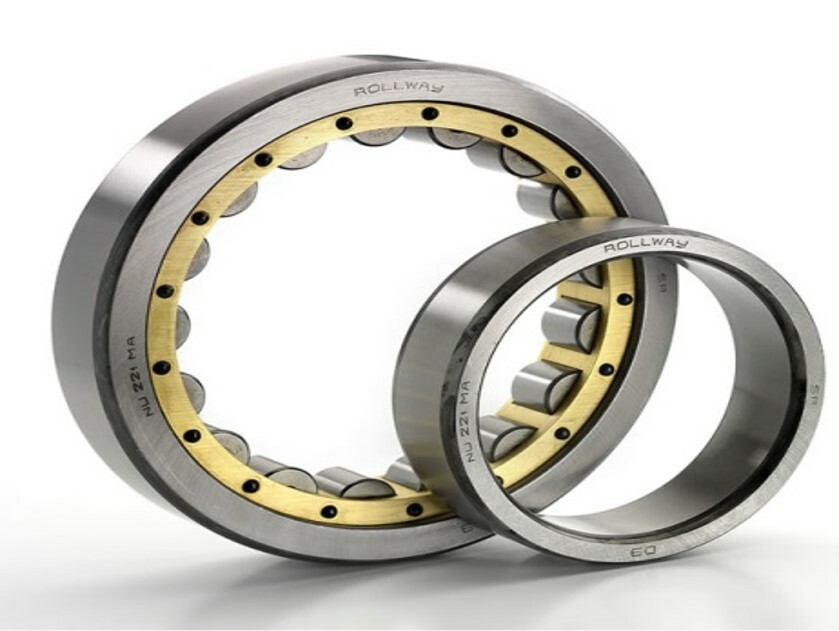
- Roller bearings are good for radial thrust on the shaft. They are not used for axial thrust. They also are good for vibration and low noise.
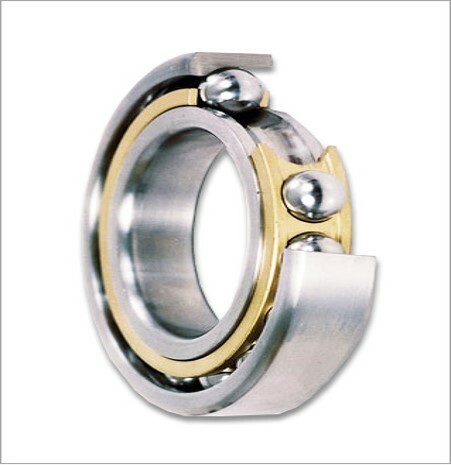
- Angular contact bearings, on the other hand, are good for axial thrust.
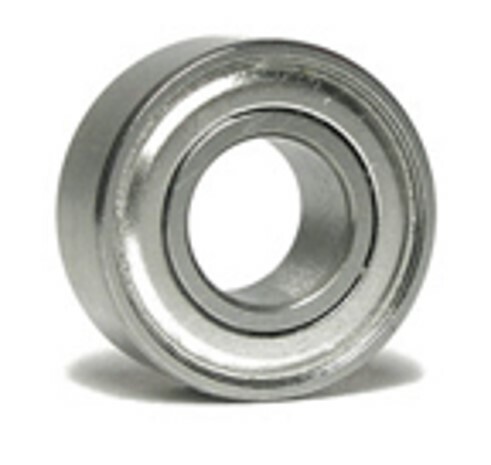
- Z-ZZ bearings provide metal shielding, prevent oil and grease leakage, and increase bearing life.
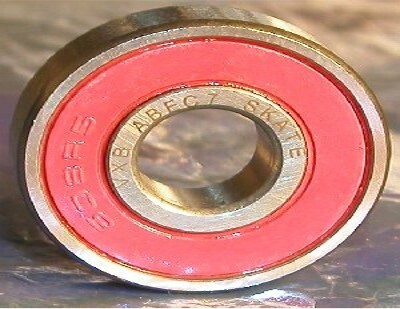
- 2RS bearings use rubber seals to prevent lubricant leakage and avoid external contaminants but operate at lower speeds.
Lubrication. As stated previously, bearing failures are the most common cause of motor failures. Forty percent of motor failures are related to lubrication. Some of these issues include: lack of lubrication, too much lubrication, or an incombatibility of greases being used.
Most, if not all, motors have lubrication instructions stated clearly on the nameplate. It’s important to understand the manufacturer’s lubrication system before lubricating. Also remember to remove the grease relief valve during every relubrication.
Tucker Scharfenberg, managing editor